
The Revination
August 2026
Explore Revinate’s monthly digest of hospitality’s latest insights and tips. As hoteliers, we know you’re flooded with information. The Revination simplifies that noise, making it easier for you to focus on what’s happening in hospitality, why it matters, and what action you can take today. We also share our perspective on industry trends and highlighting the strategies driving game-changing results for hotels like yours. Subscribe on LinkedIn.

Most hotel budgets look backward. The best ones build for what’s next.
The best hotel budgets don’t predict revenue. They create it.
Budget season is here. And while it may be tempting to open last year’s spreadsheet, adjust a few numbers, and call it a plan, the hospitality landscape has other ideas. Guest behavior is changing. Booking patterns are shifting. AI is transforming how travelers discover and book hotels. And the teams that drive revenue are more connected than ever.
So the real question isn’t, “What will revenue be next year?”
It’s “What are we going to do to create more of it?”
That’s the difference between a budget that forecasts the future and a budget that helps build it.
The hotels that outperform aren’t simply predicting demand. They’re investing in the superpowers that help them capture it. The strongest budgets aren’t necessarily the ones that predict next year with perfect accuracy. The strongest budgets are the ones built to adapt when next year surprises us. And in hospitality, it always does.
Numbers that matter
The hotel budget number you can’t afford to ignore
Here’s a figure worth putting at the top of your budget spreadsheet: 40% to 50%.
That’s roughly how much of total rooms division expenses can go toward labor, with housekeeping making up the largest share. As hotels plan for 2026, finding smarter ways to manage labor costs could make a meaningful difference to profitability.

Why it matters for hoteliers
Labor is a huge piece of the hotel budget, so even small improvements can add up quickly.
You don’t need to simply cut costs. It’s about getting smarter when and where you spend. More accurate occupancy forecasts can help hotels align staffing with demand, scheduling the right number of housekeepers, adjusting coverage during slower periods, or preparing for a busy weekend. And when teams have a clearer picture of expected demand, they can make better decisions across the operation while protecting the guest experience.
That’s where budget season gets interesting. Instead of asking, “How do we spend less?” hoteliers can ask, “How can we make every dollar work harder?” That shift can turn cost control from a defensive strategy into a competitive advantage.
What’s Revinate’s take?
Here’s where your data becomes important in the budget conversation. Data should do more than sit in a report. It should help hotel teams make better decisions.
The more clearly you understand your guests, their behavior, and your expected demand, the more confidently you can plan your people and resources around it. Because a great hotel budget isn’t just about getting the numbers right. It’s about giving your team the flexibility to respond when those numbers change. That’s the real budget superpower: turning insight into action.
Trends that matter
AI is becoming a budget line item
AI is moving quickly beyond experimentation. New research shows that travelers are increasingly using AI-powered tools to plan and book trips, while hotels are exploring AI across operations, revenue, marketing, and guest experience. The shift is clear: AI is becoming part of the hospitality landscape, not just a technology experiment.

Why it matters for hoteliers
AI is quickly becoming something hotels need to plan for, not simply test. It’s changing both how guests discover hotels and how hotel teams operate. Travelers are increasingly turning to AI tools to research and plan trips, which means hotels need to think about how they show up in AI-powered recommendations, not just traditional search results.
Behind the scenes, AI can also help teams work smarter by automating routine tasks, improving forecasting, personalizing guest interactions, and turning more data into action. The takeaway? AI deserves a place in the budget conversation. The question isn’t whether AI will play a role in hospitality; it’s where it can create the most value for your team and your guests.
What’s Revinate’s take?
At the end of the day, technology should make hospitality more human, not less. AI can help hotel teams move faster, spot opportunities, and make better use of their data. But the real magic happens when technology is paired with the people who understand guests best.
The hotels that win won’t simply adopt AI. They’ll connect it to a clear strategy and use it to make the guest experience even better. That’s the real superpower.
Perspectives that matter

Every reservation conversation contains valuable guest data. But if that information stays trapped in the phone call, hotels lose more than a booking opportunity. They lose the chance to personalize the next interaction, strengthen the guest relationship, and drive future revenue. Find out where the data leak happens and how to close the gap.
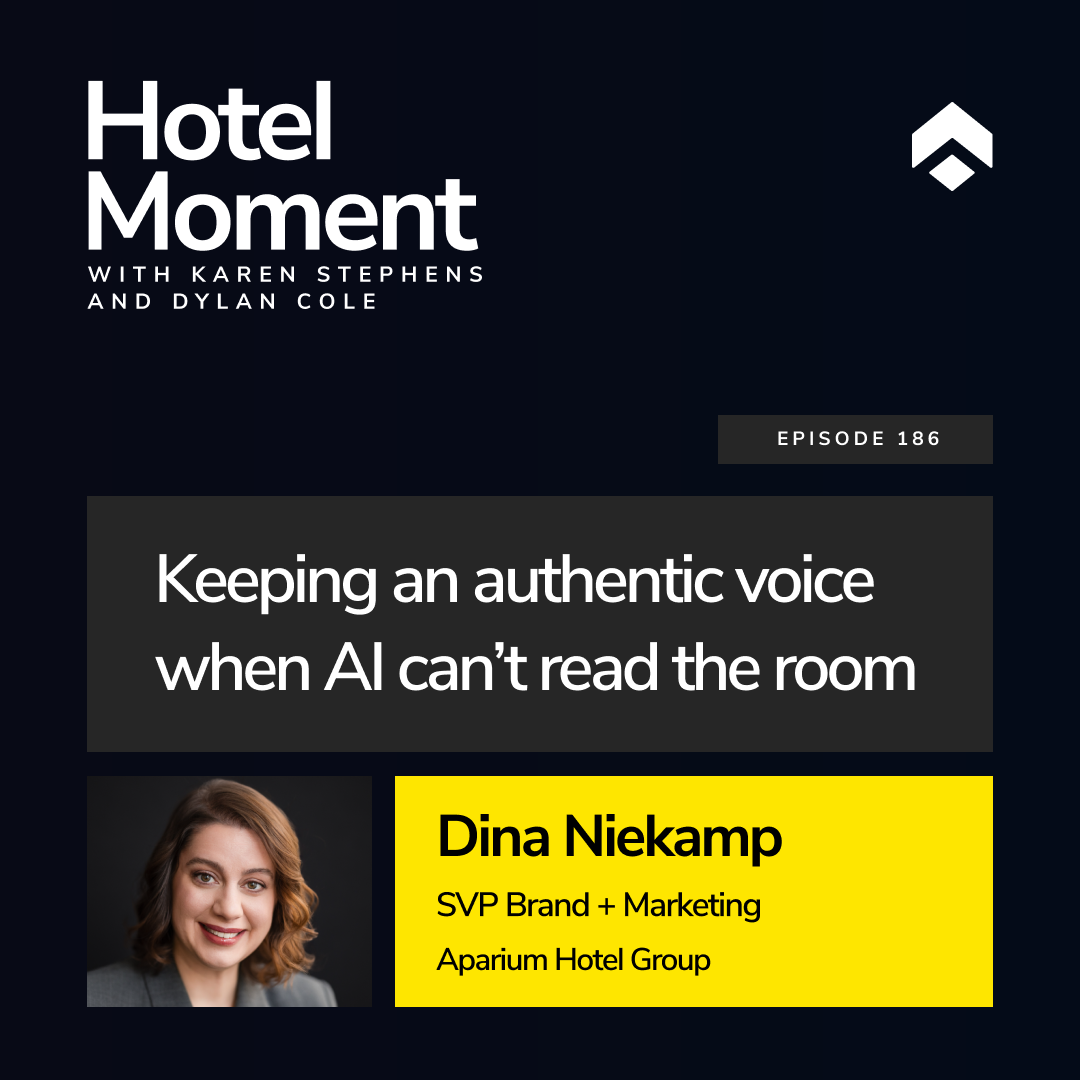
AI can analyze the data. It can automate the workflow. It can help us move faster. But hospitality is still human. In this episode of Hotel Moment, we explore how hotel brands can embrace AI without losing the authentic voice and human connection that make a guest experience memorable.
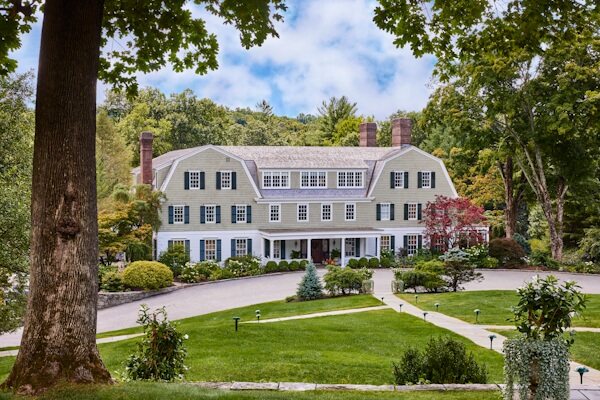
Revenue doesn’t always require a brand-new channel. Sometimes, the biggest opportunity is hiding in the channels you already have. Auberge Collection combined voice and email to drive $15.7M in direct revenue, showing what can happen when guest data, personalization, and commercial teams work together. That’s not just revenue. That’s a commercial superpower.