
The Revination
May 2026
Explore Revinate’s monthly digest of hospitality’s latest insights and tips. As hoteliers, we know you’re flooded with information. The Revination simplifies that noise, making it easier for you to focus on what’s happening in hospitality, why it matters, and what action you can take today. We also share our perspective on industry trends and highlighting the strategies driving game-changing results for hotels like yours. Subscribe on LinkedIn.

Summer demand is soft. Every lead matters more because of it.
The summer travel season isn’t unfolding the way many hotels expected. Despite the FIFA World Cup headlines and optimism around demand, bookings are softer, lead volume is down, and travelers are making more deliberate spending decisions.
This summer, every inquiry is more valuable than last year’s. The hotels that outperform won’t necessarily be the ones generating dramatically more demand, but converting more of the demand already coming in.
Numbers that matter
Americans are pulling back on travel, but not on hotel rooms themselves
In 2026, 70% of Americans are exercising more caution with their travel budgets. Dining out, souvenirs, and trip length are the first to get cut from the roll. The rooms themselves, though, are holding; only 32% of travelers are planning to scale back on accommodations or room upgrades. In discretionary spend contracts, guests are not compromising on lodging itself.

Why it matters for hoteliers
Guest spending is more deliberate. That means the overall pool of leads is more competitive, and the guests who do show up will be much more intentional about where their money goes.
The risk comes from treating every guest the same. Don’t take this information and run a blanket room upsell campaign to the full database and expect great results. But a targeted offer to a repeat guest who historically upgrades — sent three days before arrival — has a much better chance of converting.
This summer’s margin opportunity isn’t in generating more demand. It’s in earning more from the demand already coming in.
What’s Revinate’s take?
The real story here is the data gap. Hotels with unified guest profiles that include booking history, past upgrades, and spend patterns are positioned to turn the current moment into revenue. Those without the data are guessing. The shift toward more deliberate travel spending rewards hotels that know their guests.
Trends that matter
Personalizing the guest experience
When a customer calls in, they convert at 35–40% — well above the website visit rate. But nearly 60% of inbound calls still don’t convert. In a softer demand environment, that gap is increasingly hard to ignore. Every mishandled or unanswered call represents a lost direct booking and a missed data capture, meaning hotels are losing revenue in the moment and the ability to re-engage that guest later.

Why it matters for hoteliers
According to Revinate’s own internal data, voice lead volume is down 14.5% year-over-year. The phone is your highest-converting channel, and the one most hotels are systematically underinvesting in.
The missed-call problem runs deeper than lost revenue. When a call goes unanswered or a caller doesn’t book, that data goes away. There is no record of who called, what they wanted, or how close they were to converting unless you have a system built to capture it.
Hotels relying only on digital channels are leaving money on the table. Guests who pick up the phone are often higher-intent and higher-value. That makes reservation sales agents one of the highest-leverage investments a hotel can make right now, and call performance one of the clearest places to close the conversion gap.
Major demand events, such as FIFA, can generate temporary surges in inquiry. The hotels that win those moments don’t just capture the booking — they capture the guest.
What’s Revinate’s take?
The non-book call is one of the most underused assets in hotel marketing. Most hotels treat it as a lost opportunity. But there’s a better way to look at it as a warm audience — guests who were interested enough to call, just not ready to commit. Hotels that treat voice as a data channel, not just a booking channel, will have a structural advantage as demand normalizes.
Perspectives that matter

NAVIGATE Phoenix 2026 brought together hospitality leaders to unpack the trends shaping hotel revenue strategy right now — from AI and personalization to direct booking conversion and guest data activation. The biggest takeaway: In a softer demand environment, the hotels winning market share are the ones using data strategically to drive loyalty, improve conversion, and protect direct revenue.
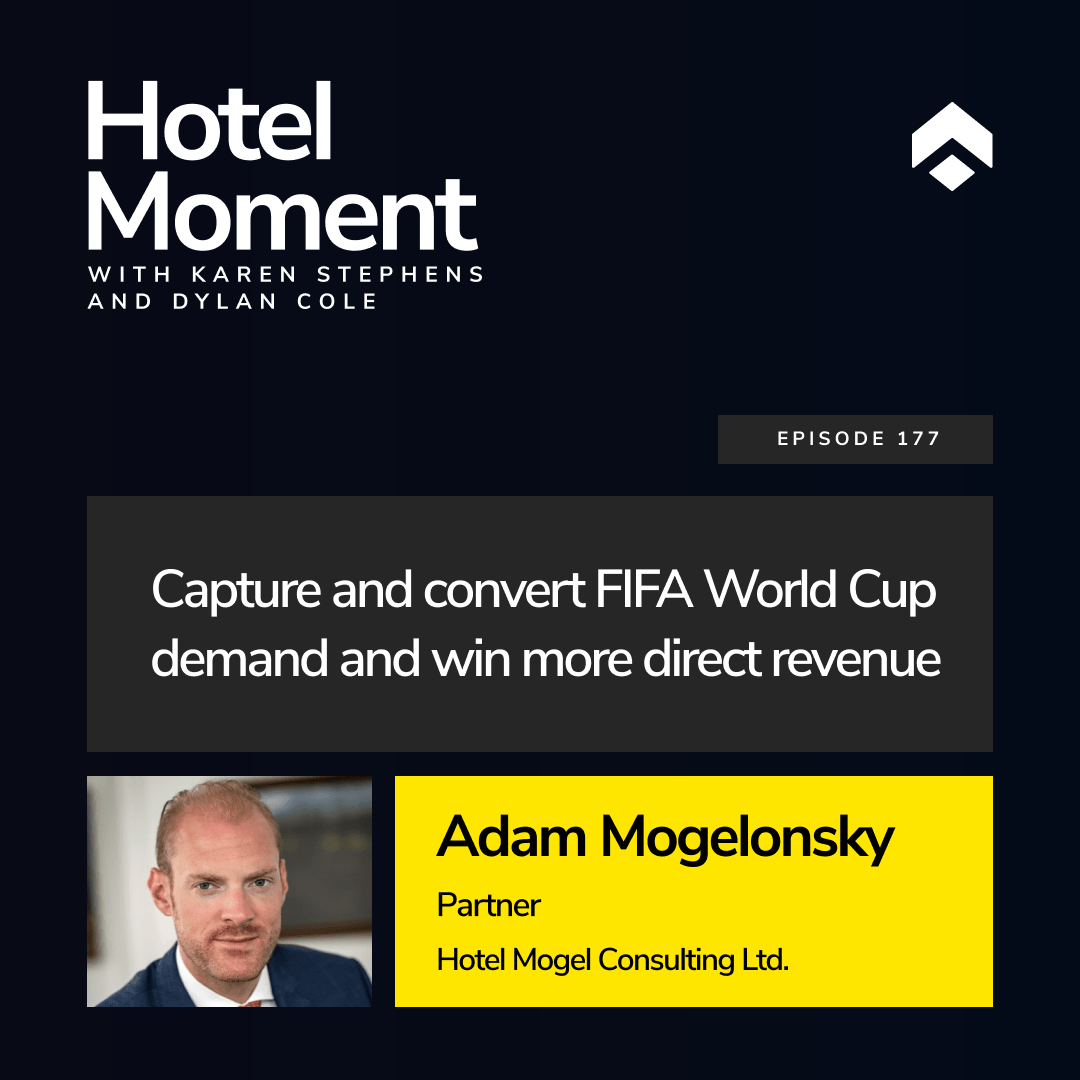
In this episode of Hotel Moment, Revinate CMO Karen Stephens and hospitality strategist Adam Mogelonsky unpack why major events like FIFA are about more than temporary demand spikes. The conversation explores how hotels can protect direct revenue through smarter voice strategy, better data capture, pre-arrival personalization, and operational experiences that turn high-demand moments into long-term guest loyalty.

Better guest data doesn’t just improve marketing, it drives serious revenue at scale. By unifying marketing, CRM, and reservation sales, Brittain Resorts & Hotels drove tens of millions in direct revenue and reduced reliance on OTAs. It’s a clear example of how clean data, automation, and aligned sales and marketing teams can turn every guest interaction into a revenue opportunity.